Focus on Remembrance Culture
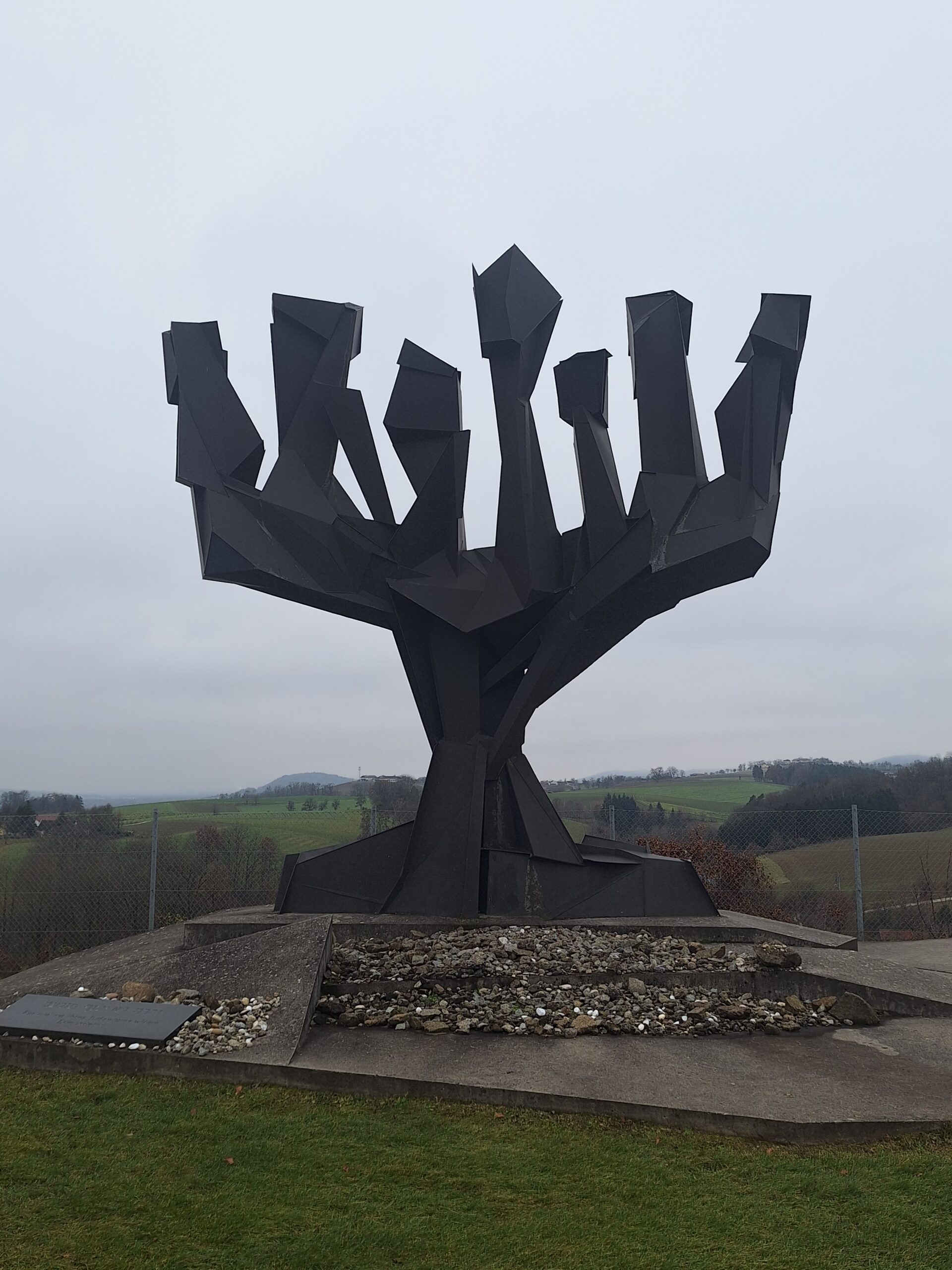
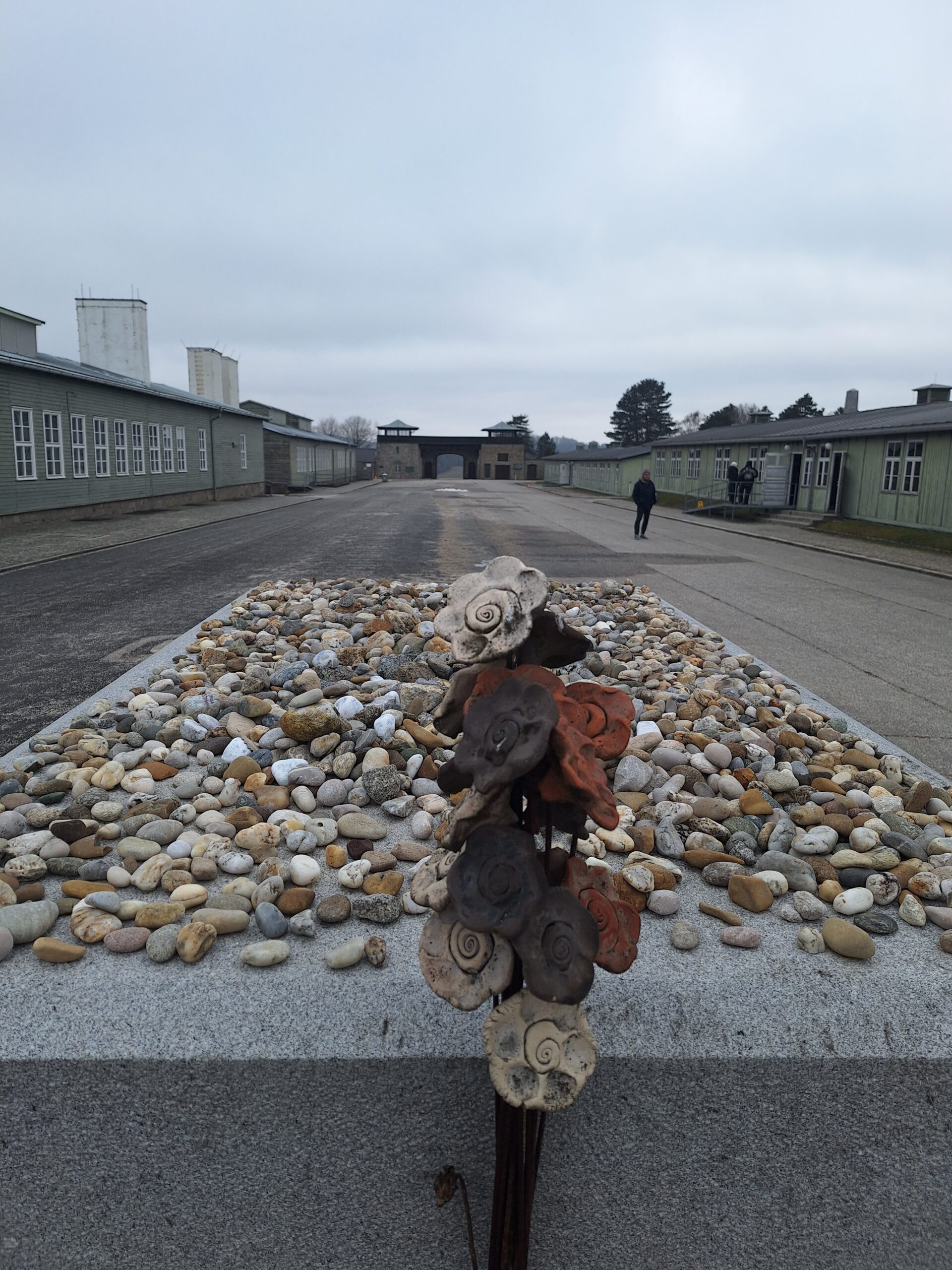
In December 2025, 5abc explored an important chapter of history through a visit to the former concentration camp of Mauthausen, a theatre performance of “Der Koffer der Adele Kurzweil”, and a moving conversation with two contemporary witnesses, who shared their experiences of life under the National Socialist regime.
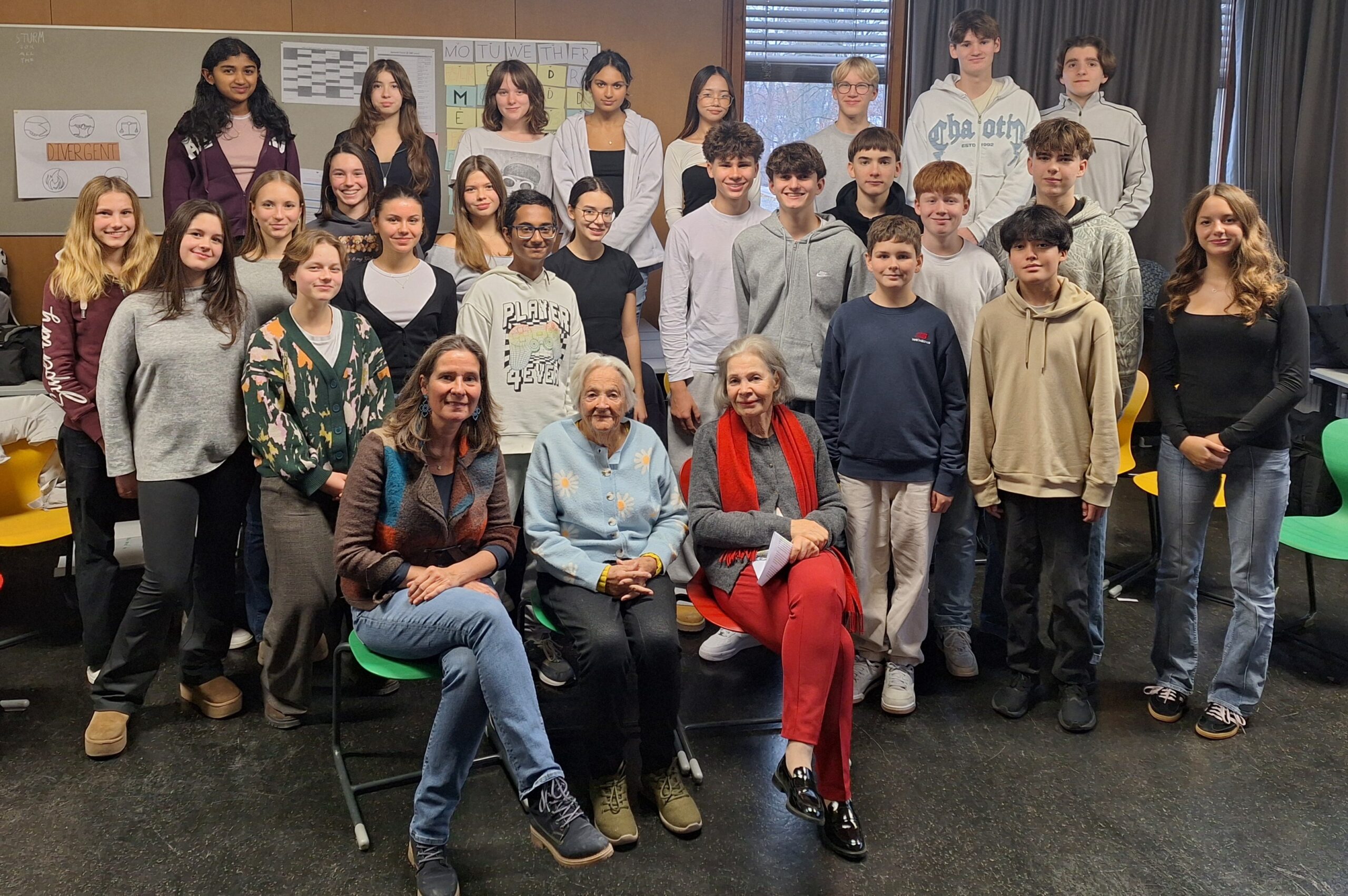
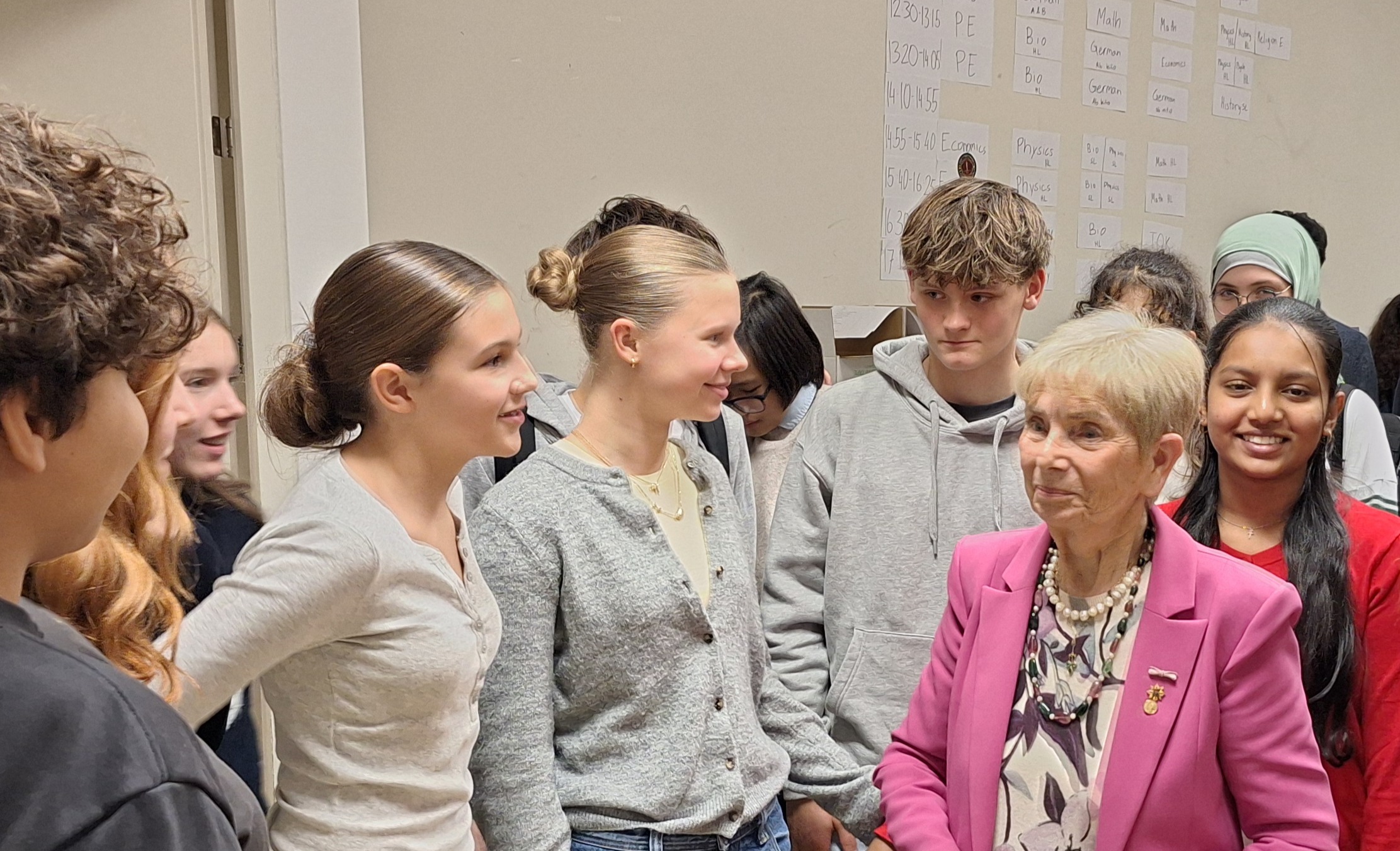
This time, we chose a different approach to the Zeitzeuginnengespräch for 5c. We invited mother and daughter and began our journey through time with photographs and quotations from Lucia Heilman’s past. Building on these impressions, the students had the opportunity to ask questions addressed either to Ms. Lucia Heilman herself or to her daughter, Ms. Viola Heilman.
The discussion developed into a thoughtful exchange, with questions directed to both mother and daughter. Exploring the perspective of a child of a Shoah survivor offered valuable historical, social, and psychological insights. In particular, the conversation addressed central questions such as: What was life like for Jews in Austria after 1945? And had antisemitism truly disappeared?
Zeitzeugin Lucia Heilman und ihre Tochter Viola Heilman in der 5c
Lucia Heilman wird 1929 in Wien geboren. Aufgrund ihrer jüdischen Herkunft müssen sie und ihre Mutter ab der Machtübernahme der Nationalsozialisten im Jahr 1938 um ihr Leben fürchten. Reinhold Duschka, ein Kunsthandwerker und Freund ihres Vaters, versteckt Lucia und ihre Mutter in seiner Werkstätte, wo sie drei lange Jahre bleiben. Im Zuge eines Bombenangriffs wird ihr Versteck zerstört, weshalb sie in einem Kohlenkeller Unterschlupf finden müssen. In dieser Zeit hört Lucia Heilman auf zu sprechen. Das Kriegsende im Mai 1945 ist für sie wie eine Wiedergeburt. Sie holt die Schule nach, studiert Medizin, praktiziert als Schulärztin, wird Mutter von zwei Kindern. Reinhold Duschka hat für sie und ihre Mutter sein Leben riskiert. Die israelische Holocaust-Gedenkstätte Yad Vashem würdigt Menschen wie Duschka, die in der NS-Zeit das Leben von Jüdinnen und Juden gerettet haben, mit dem Ehrentitel „Gerechte unter den Völkern“. Etwas mehr als 100 Menschen haben in Österreich diese Auszeichnung erhalten.
Lucia Heilman — ÜberLeben (ueber-leben.at)
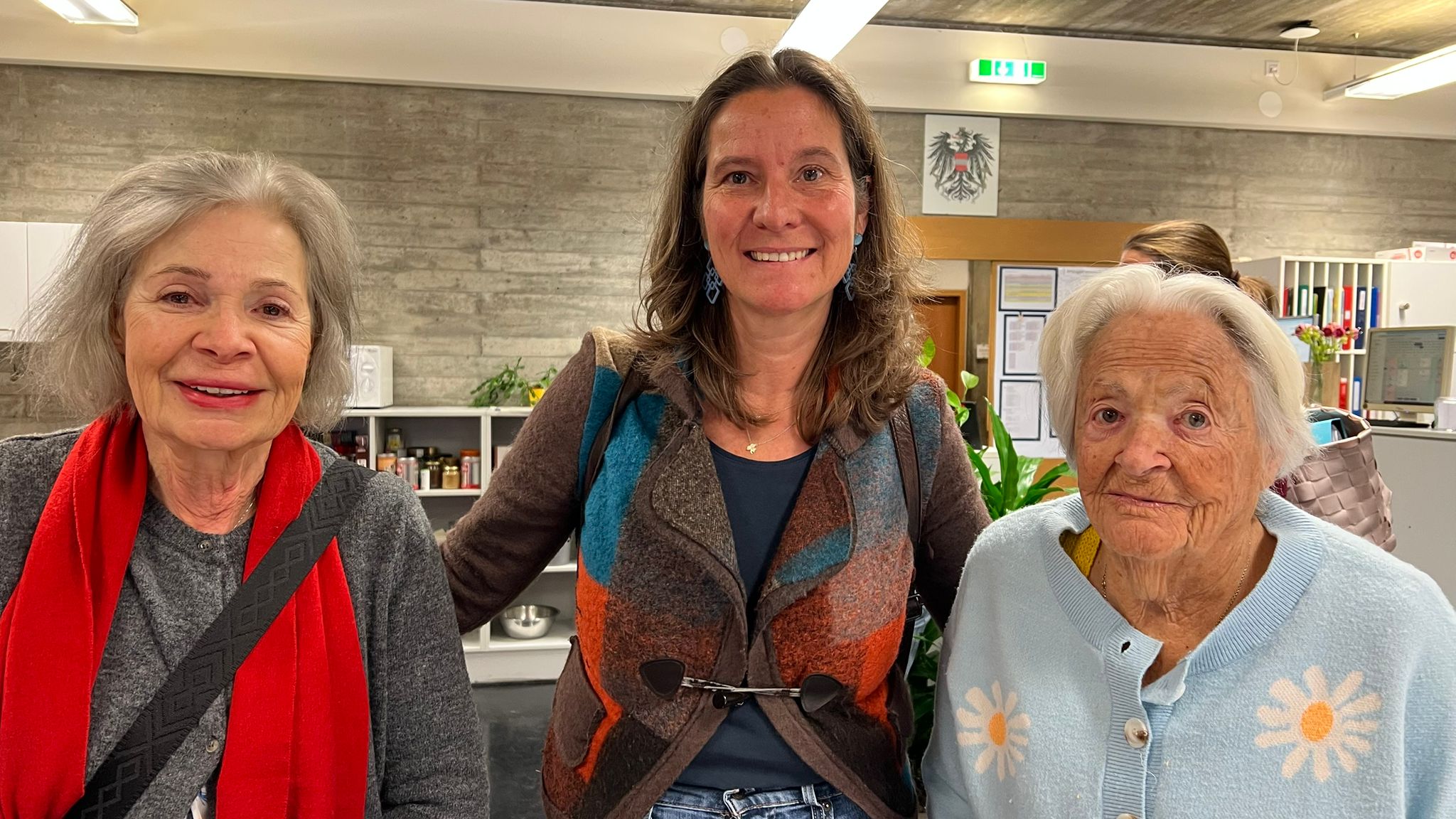
Visit from Frau Lucia Heilman and her daughter Viola Heilman
We learned a lot from the time when she was hiding and how horrible those years were. We were also told who helped and stood by her side during the war. Her daughter also told us what it was like when she was born and how her mother raised her. I think Frau Heilman is a very strong woman.
Olivia Barry, 5c
Lucia selbst hat nicht besonders viel geredet, was jedoch in Anbetracht ihres Alters durchaus verständlich ist. Es war faszinierend die Geschichte hinter dieser doch recht unscheinbaren Frau zu erfahren. Alles in allem war es sehr spannend und eine Art Zeitreise in ein unvorstellbares Österreich.
Leni Lembacher, 5c
It was a lot different from what I imagined it to be. Ms. Heilman had been through such a horrific and inhumane time and still she has the sweetest smile on her face. It is incredible that this woman is already 94 years old and still so active.
Irina Scharbanov, 5c
Ich bin sehr dankbar so etwas noch erleben zu dürfen. Es war ein Einblick, den man bei Büchern oder online-Interviews einfach nicht bekommt.
Irene Rothbart, 5c
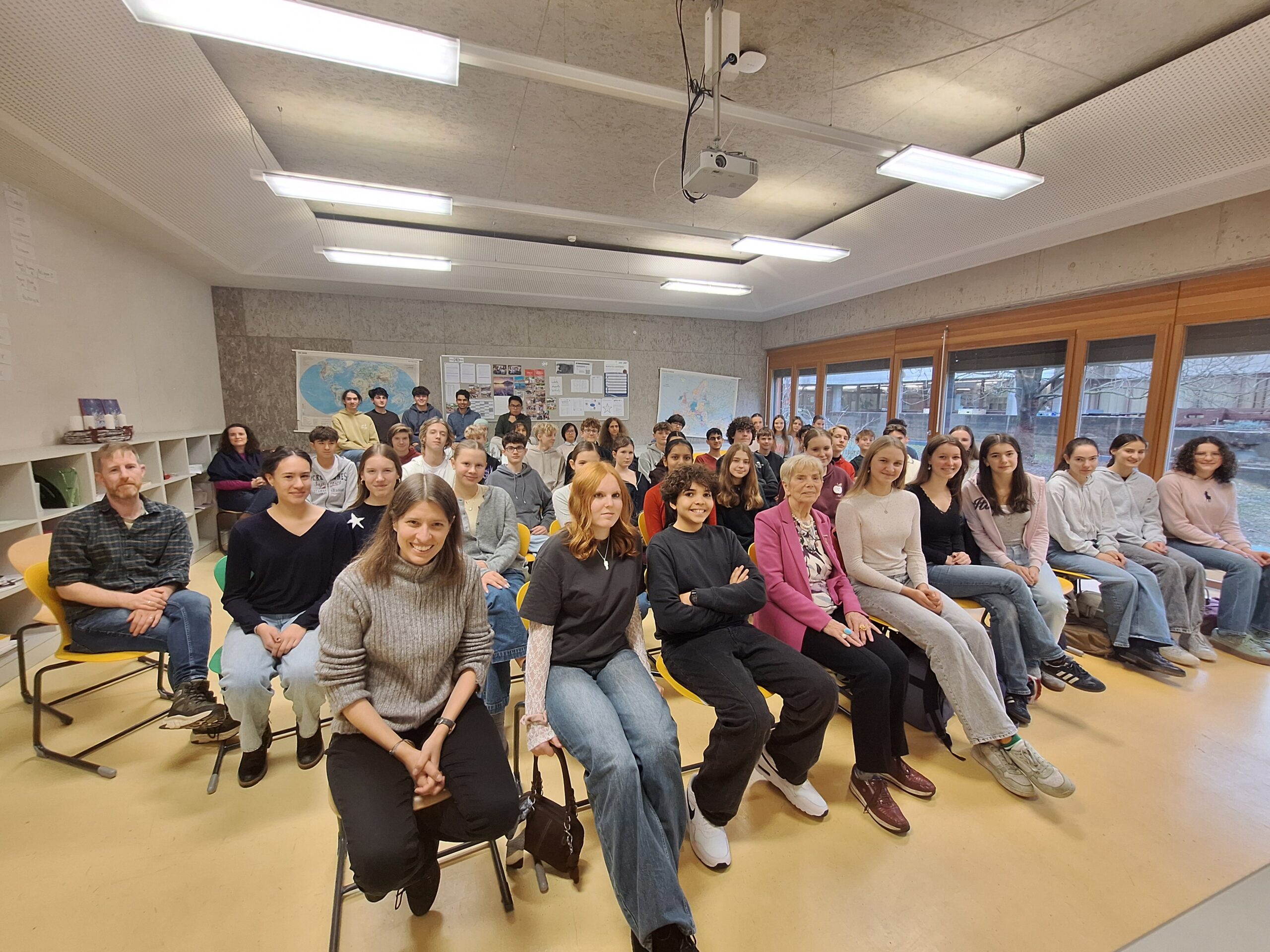
Zeitzeugin Dr. Katja Sturm-Schnabl in der 5ab
Katja Sturm-Schnabl wird am 17. Februar 1936 in Zinsdorf/Svinča vas bei Klagenfurt/Celovec in Kärnten geboren. Sie wächst auf dem Gutshof ihrer Familie auf. Ihre Familie ist kulturell sehr aktiv und gehört der Volksgruppe der Kärntner SlowenInnen an. Im April 1942 wird die Familie von den NS-Behörden gemeinsam mit anderen Familien vertrieben und ins Lager Ebenthal bei Klagenfurt gebracht. In einem Lager des NS-Regimes erkrankt ihre ältere Schwester und stirbt unmittelbar nach einer Injektion, die der Lagerarzt ihr gegeben hat. Erst nach 1945, im Alter von neun Jahren ist es ihr erstmals möglich, die Schule zu besuchen. Für sie gehen die Ausgrenzungserfahrungen in der Schulzeit weiter.
In Wien studiert sie Slawistik, südslawische Literatur und Kunstgeschichte. Ab 1984 lehrt Katja Sturm-Schnabl am Institut für Slawistik der Universität Wien. Für ihre Tätigkeit als Zeitzeugin wird ihr 2015 das Goldene Verdienstzeichen der Republik Österreich verliehen.
https://www.ueber-leben.at/home/katja-sturm-schnabl
Reflection
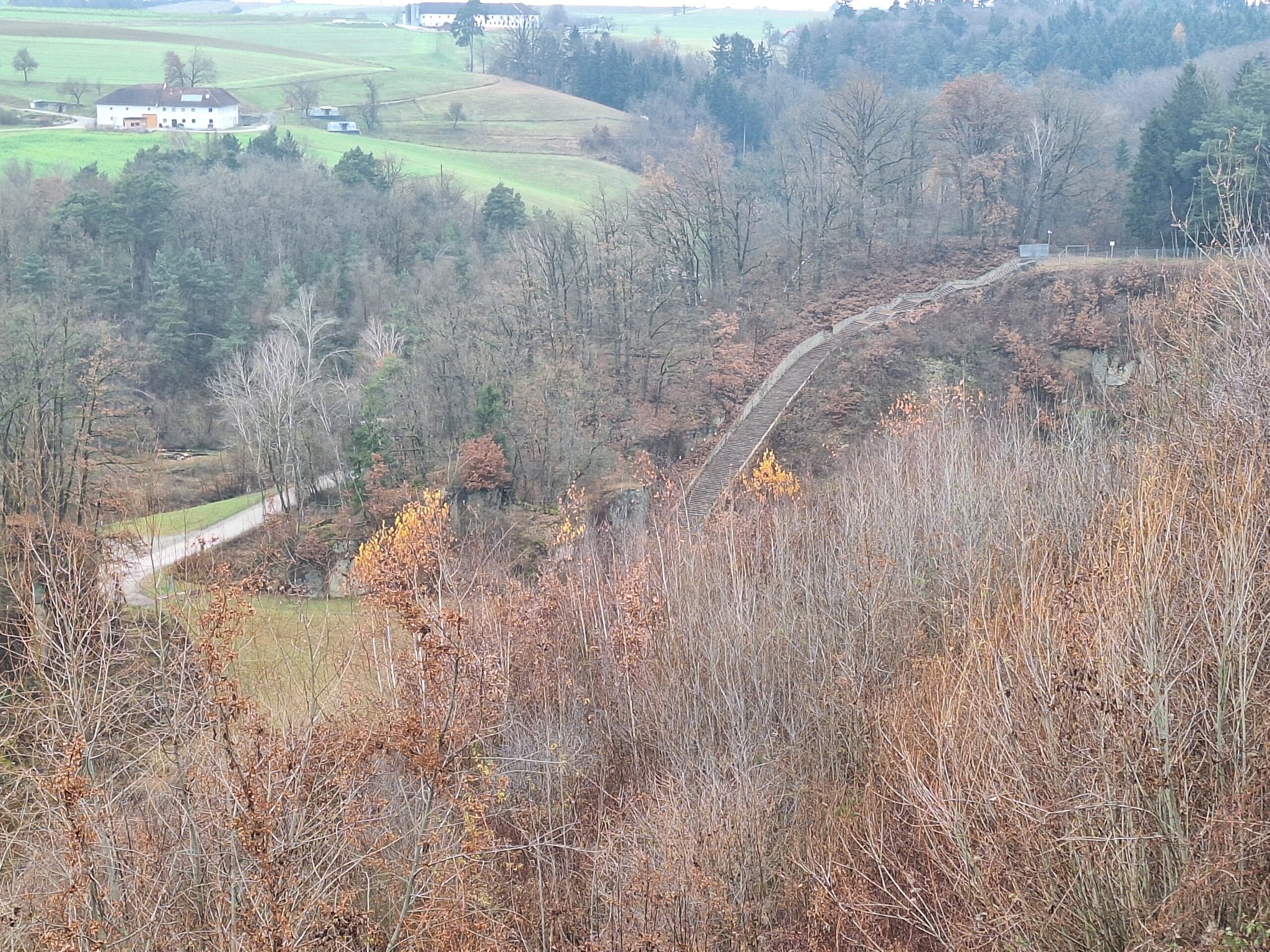
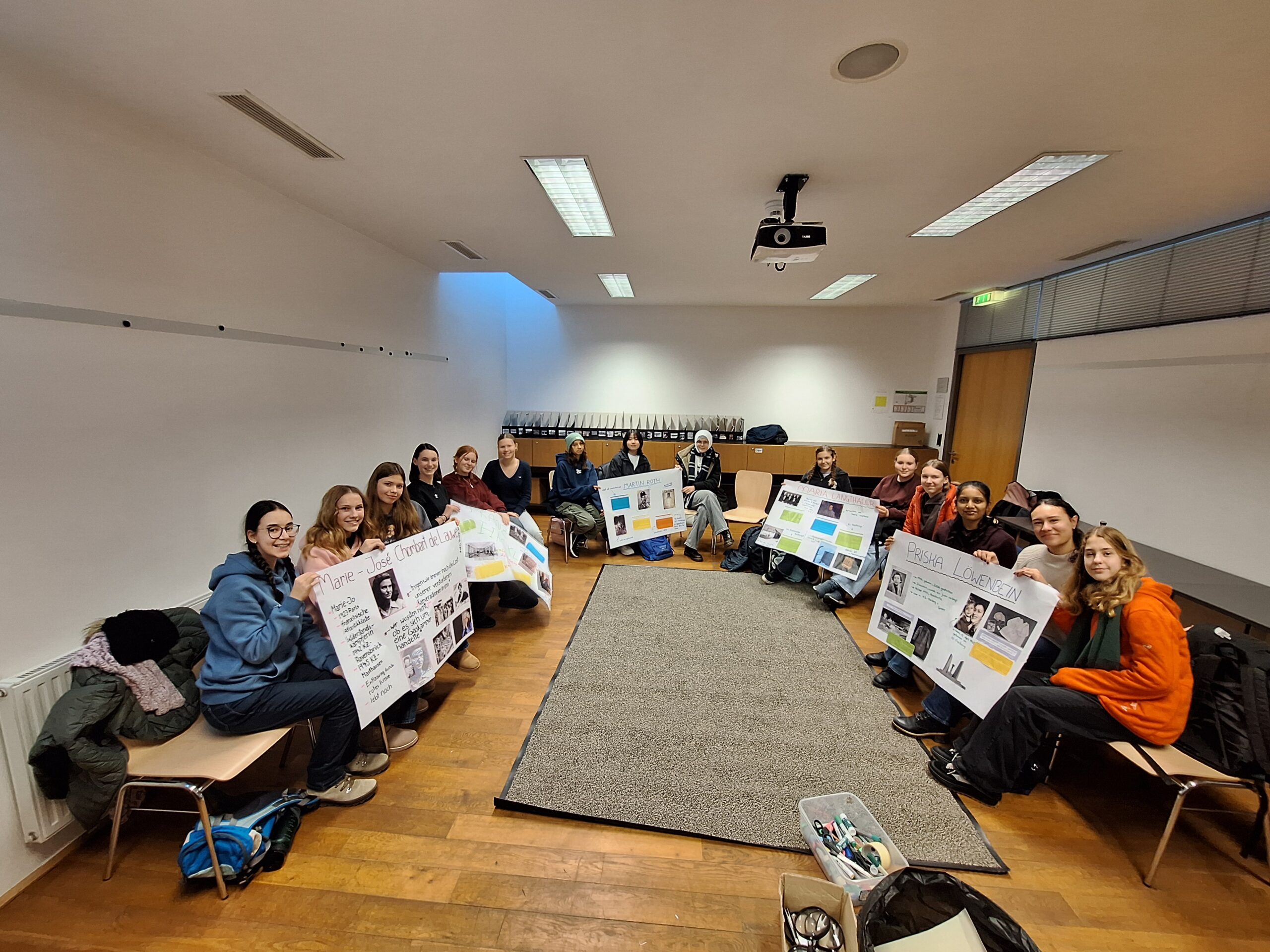
The visit to Mauthausen really had an impact on me. It was very scary to see and hear about everything there, but I think it was something really important for us to see. While walking through the camp, I really tried to remind myself where I was, but it felt so hard to grasp that I was walking on grounds where thousands of people had been imprisoned and killed. It just felt so unreal, and I couldn’t really comprehend that until later. I didn’t really enjoy the workshop about the people. I would have rather taken more time to really look at everything in the memorial, as we just barely got to look at some things and had to skip a lot. It was a lot harder for me to understand the number of people there and their individual stories, than for example at the play. I would have loved to take a closer look at, for example, the room of names.
The visit from Dr. Stum-Schnabl honestly helped me a lot to realize that it really hasn’t been that long since the Holocaust. To have someone sitting in front of me that had to go through that was eye-opening. To see someone who’s been through hell and survived, tell their story, felt so unreal. I’m so grateful to have had that experience, especially because I know not many people still get to listen to someone like Dr. Sturm-Schnabl.
Somewhere during this, I think it might have been during the play, I learned about the Stolpersteine. I hadn’t really paid attention to them before. Now every time I see one, I make sure to stop for a moment and read them. As heavy and scary as some of these experiences felt, I’m glad I got to do all of this and learn some new things, and I think it was something really important to do.
Friederike Bergmann, 5a